Why do I feel anxious when I finally relax?

You survived a brutal work week, cleared your inbox, met every deadline, navigated stressful workplace politics, and finally made it to Friday. Then you wake up on Saturday, make coffee, sit down on the sofa, and try to enjoy your break, but instead of relaxing, a wave of panic hits out of nowhere.
Your heart might start racing; your chest tightens, making it feel like it's impossible to breathe. Your hands may grow clammy, your mind starts racing, and you may wonder, why now? I have nothing to be worried about today, so why is my body doing this?
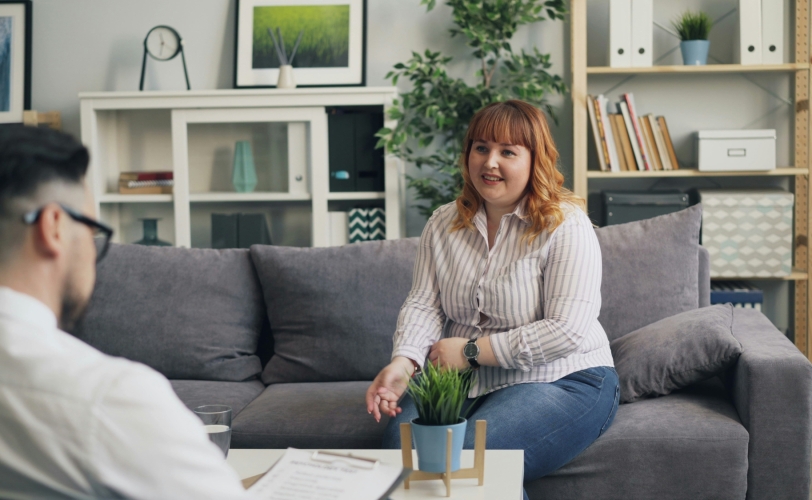
Why can anxiety appear when you finally relax?
If this pattern sounds familiar, you might be experiencing what is sometimes described as the 'let-down effect' or relaxation-induced anxiety.
For those of you who are high achievers, perfectionists and are chronically busy, this is the ultimate anxiety paradox. It can turn moments of planned rest into periods of terrifying vulnerability. So how do we break this loop and reclaim our weekends?
First, it may be helpful to understand why our minds and bodies treat rest as an emergency, and why traditional coping tools may fail.
What is the let-down effect?
To understand this, we have to look at the balance of our autonomic nervous systems. When we push through a stressful work week, while also juggling other responsibilities or managing problems like burnout or crisis, the body can sometimes enter a state of hypervigilance. In this state, the sympathetic nervous system might take the wheel and activate the fight-or-flight response.
To keep functioning under pressure, the body releases stress hormones, primarily cortisol and adrenaline. These can make you feel more alert and sharpen your focus, helping you respond to stressful situations.
In other words, the body might be running on emergency reserves to "keep the wolves at bay". You don't have time to even process the anxiety because you're surviving the week.
The problems can sometimes start when the pressure stops.
When the weekend finally arrives, and you sit down to plan some rest, the sudden change in pace may leave you feeling unsettled as your body adjusts to a less stressful environment. The parasympathetic nervous system helps the body shift into a rest-and-digest state, slowing things down and allowing us to relax and switch off.
But if you've been functioning under chronic, long-term stress, being constantly alert can start to feel normal. To an overstressed mind, suddenly slowing down doesn't always feel peaceful or calm; it can feel unstable. Almost like a glitch in the system.
For some people, this change can subconsciously feel like a signal of danger. The body may respond with feelings of panic, almost as though it needs to return to a state of high alert. In other words, your body might have forgotten how to power itself down safely.
How can hypnotherapy support anxiety?
When we are caught in that loop, standard relaxation or logical self-talk sometimes doesn’t work; it’s like throwing a cup of water on a house fire. Your logical, analytical brain might already know you're safe. The problem is that the subconscious hasn't received the memo.
This is exactly where clinical hypnotherapy combined with talking therapy can be powerful for treating relaxation-induced panic.
Rather than simply arguing with conscious thoughts, hypnosis may help people explore subconscious responses and develop a greater sense of calm, potentially supporting the body's natural rest-and-digest response.
What happens during a cognitive behavioural hypnotherapy session?
A therapist will usually guide you into a state of deep physical and mental relaxation, helping you experience a sense of calm that may feel difficult to achieve on weekends.
Once the mind is calm and more receptive, the therapist can use various strategies to help you change the pattern. Including:
- Thought work (cognitive restructuring): Identifying, challenging and reframing unhelpful self-talk and beliefs through both talk therapy and hypnosis.
- Hypnosis skills training: Using therapeutic suggestions to change subconscious expectations; this helps shift relaxation from feeling like a threat to something more predictable and controllable.
- Systematic desensitisation: Mentally introducing triggers while being in a hyper-focused calm state. This pairs the thought of rest with physical safety, retraining the hyper-vigilant brain to process rest and relaxation without triggering a physical emergency response.
- De-escalating that alarm trigger: Hypnosis can help change the automatic association that the mind has built around rest. It may help reframe the association between relaxation and anxiety, so that periods of rest begin to feel safer and more comfortable.
- Let go of somatic tension: Chronic stress and anxiety can cause the body to store tension in the muscles, jaw and chest. Hypnosis can help by providing deep somatic suggestions to release the physical armour, teaching the muscles to let go and relax without going into defensive mode.
- Establishing a safe transition anchor: Hypnotherapists may install a post-hypnotic trigger, also called an anchor in the mind. This tool helps you transition from work mode to rest mode.
Overall, CBH may help update that internal software, supporting a calmer response to situations that might previously have triggered panic. It might also help to restore the brain's ability to transition easily from productivity to sleep and peace.
Research also suggests that combining hypnosis with cognitive behavioural therapy may offer additional benefits for people experiencing anxiety.
Finding support for anxiety and panic
You didn't work hard to build a successful career or busy life just to spend your hard-won free time trapped in a cycle of panic and anxiety. You have the right to rest and switch off. Your body may have become accustomed to being constantly on alert, but with the right support, it's possible to develop a healthier relationship with rest.
If you're tired of losing your weekends to anxiety, consider reaching out for support. You can use the directory to find a hypnotherapist who specialises in anxiety and panic and can help you explore ways to manage these feelings.

Find the right hypnotherapist for you
All therapists are verified professionals