The 3 am club: how hypnotherapy can help

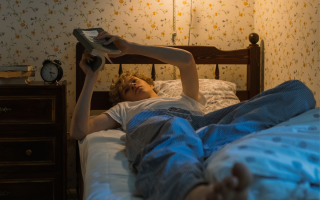
It's 3 am. The house is quiet, everyone else is asleep, and you are wide awake. Within seconds, your mind is busy. Tomorrow's to-do list. A conversation that didn't go well. Something you forgot to do. Before long, you're checking the clock and working out how many hours of sleep you have left.

If this sounds familiar, you're far from alone. Waking in the early hours is one of the most common sleep problems people describe. I like to call it the 3 am club. Nobody chooses to join, but plenty of us have been members.
What's happening at 3 am?
We naturally move through lighter and deeper stages of sleep during the night. In the early hours, sleep tends to be lighter, so it's easier to wake. Waking briefly is normal. Most of the time we drift straight back off and don't remember it. The problem starts when the mind switches on.
During the day, we're busy. Worries don't get much space. At 3 am it's dark, quiet, and there's nothing to distract us, so the mind fills the gap. If you're already feeling stressed or anxious, your body may be more on alert, and that makes it harder to settle again.
Why trying harder doesn't work
When we can't sleep, our instinct is to try harder. We screw our eyes shut, tell ourselves to relax, and keep checking how much time is left. But sleep isn't something we can force. The more effort we put in, the more alert we become. Then a second worry arrives: "If I don't get back to sleep, tomorrow will be awful."
Over time, the bed itself can start to feel like a place of stress. Some people begin to dread bedtime, which makes it even harder to switch off. This is a cycle many people describe, and it's one we can gently break.
Simple things to try tonight
Don't check the time
Turn the clock away from you. Knowing it's 3:04 am only starts the countdown in your head.
Breathe out for longer than you breathe in
Try breathing in for four seconds and out for eight seconds. A long out-breath helps signal to your body that it's safe to slow down.
Name the worry and put it on a shelf
Notice the thought, give it a name, and imagine placing it on a shelf. Tell yourself, "I'll pick that up tomorrow."
Relax your body, bit by bit
Starting at your toes, gently tense each area, then let it go. Work your way slowly up to your shoulders and face.
Get up if you need to
If you've been awake for a while, go somewhere calm with low light. Return to bed when you feel sleepy.
How hypnotherapy can help
Hypnotherapy doesn't try to make you sleep; it helps your mind learn how to let go, so sleep can come on its own.
Hypnosis is a natural, deeply relaxed state. You stay aware and in control throughout. In this calm state, your mind can be more open to new ways of thinking and responding.
In sessions, we might work on:
- deep relaxation, so your body remembers what calm feels like;
- quietening the "what if" thoughts that keep you awake;
- changing your relationship with bedtime, so the bed feels restful again;
- simple techniques you can use yourself in the night.
Many hypnotherapists will provide a recording of the hypnosis part of the session. Listening to it in bed can help the calm feeling become part of your night-time routine.
Everyone is different, and results vary from person to person, but for many people, learning to relax rather than trying to force sleep can make a real difference.
When to speak to your GP
If you've had trouble sleeping for a long time, or it's affecting your health, mood, or daily life, speak to your GP. They can check for other factors that might be involved. Hypnotherapy can work well alongside your GP's support, but it isn't a replacement for medical advice.
Leaving the 3 am club
Waking in the night can feel lonely, but it's incredibly common, and it doesn't have to stay this way. With a few simple changes and the right support, you can feel calmer at night and more rested during the day.

Find the right hypnotherapist for you
All therapists are verified professionals