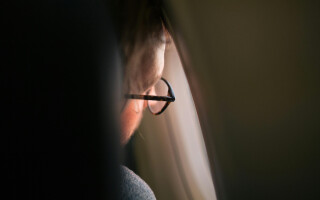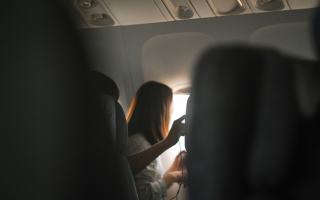
Why hypnotherapy could be the answer to your fear of flying

For most people, a holiday begins the moment they start planning it. The destination chosen, the hotel booked, the days circled on the calendar with quiet anticipation. But for those living with a fear of flying, something else happens long before the airport. The anxiety arrives first.
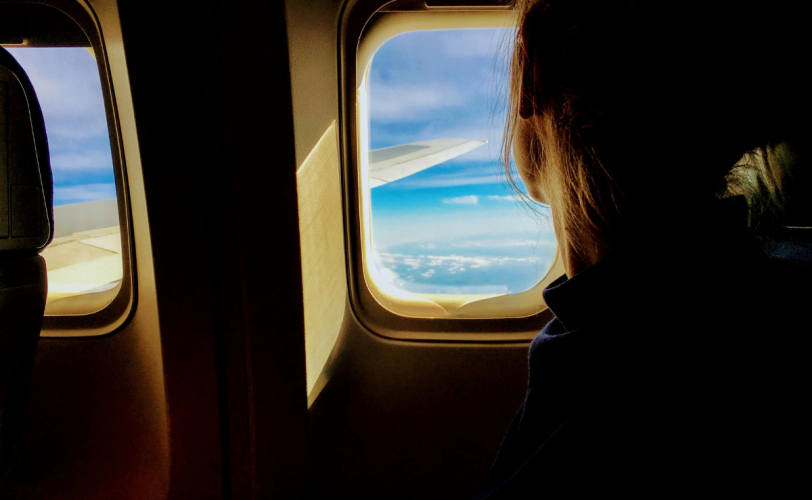
It might start a few days before departure. A tightening in the chest, a restless night, a growing sense of dread that no amount of packing distraction can shift. For some, it begins weeks earlier. And here is the part that rarely gets talked about: the fear does not just affect the flight. It steals from the holiday itself.
Days that should belong to rest and enjoyment are consumed by anticipation of something that has not happened yet. A hard-earned break, looked forward to for months, is already shrinking before the front door is even locked. When the return flight is also dreaded, the anxiety can begin days before the return journey home, too, making the holiday feel even shorter than it was.
What triggers flight anxiety?
Fear of flying is often spoken about as though it were a single, straightforward thing. It rarely is.
For some people, it is the loss of control, the sense of being entirely at the mercy of forces and decisions outside their own hands. For others, it is turbulence, that sudden lurch that bypasses every rational thought and lands straight in the stomach. Some experience it as claustrophobia, the closed doors and narrowing aisle triggering something the rational mind cannot override.
Others know it primarily as a physical response, a knot in the gut, digestive discomfort, or a tension that settles into the body long before boarding. For some, there is also a fear of being sick, known as emetophobia, where the thought of feeling nauseous in an enclosed space with no means of escape becomes as frightening as the flight itself. Then there are those for whom the fear is tied to height, to panic attacks, or to an older anxiety that has quietly grown over the years, each flight a little harder than the last.
What all of these have in common is that they are precise. The fear is not vague. It has a specific shape, a specific moment at which it fires and becomes 'live'. For some people, that moment is the check-in desk. For others, it is climbing the steps to board. Some feel fine until the seatbelt clicks, and for others, it is the change in engine noise at take-off that sets everything off. These moments are triggers, cues that the unconscious mind has learned to associate with danger. The response that follows is not a malfunction. It is the mind doing exactly what it was designed to do: protect you.
The unconscious mind has been with you since the day you were born. It knows you better than anyone. And it is fiercely committed to keeping you safe, even when the threat it is responding to is no longer real.
Why doesn't knowing flying is safe make the fear go away?
Understanding that a fear is irrational does not make it go away. Most people with a fear of flying know, on one level, the statistics. They have read the articles, heard the reassurances, and told themselves firmly that they will be fine. And yet the moment arrives, and the body responds as though the logical mind had never spoken.
This is because the fear does not live in the rational, reasoning part of the mind. It lives in the unconscious, the part that operates below conscious awareness, running patterns and responses built up over a lifetime of experience. Breathing exercises, distraction techniques, a gripping film or a good book can all help to manage the experience in the moment. Some people swear by them. But managing is not the same as resolving.
The anxiety is still running underneath, waiting for the turbulence to interrupt or the distraction to run out. These approaches address the surface of the experience. They do not reach the place where the response originates.
Can hypnotherapy help with fear of flying?
Hypnotherapy works directly with the unconscious mind. In a calm, relaxed, focused state, a hypnotherapist can help you access and gently update the patterns and associations that are driving the fear response. Rather than fighting the mind, hypnotherapy works with it, helping the unconscious understand that the old response is no longer needed.
Because the fear is precise and personal, the work is too. A person whose fear centres on turbulence needs something different to someone whose anxiety begins weeks before at the thought of being enclosed. Hypnotherapy allows for that individual approach. It is not a generic solution applied uniformly. It is a conversation with the part of the mind that holds the specific pattern that belongs to you.
Many people who have worked with a hypnotherapist on a fear of flying describe a shift not just in how they feel on the plane, but in the weeks before. The dread that used to arrive early and stay late simply does not show up in the same way. The holiday starts when it is supposed to start.
What happens at the end of every flight?
This is perhaps the most important question of all, and the one the anxious mind rarely stops to answer.
At the end of every flight, the plane lands. The doors open. You deplane. You collect your luggage, step outside, and arrive at wherever you were going. That outcome is not occasional. It is not likely. It is certain. It has happened on every single flight you have ever taken and every flight you have ever worried about.
The unconscious mind, when running a fear response, becomes so focused on the anticipated threat that it edits out the guaranteed ending entirely. It loops on the fear and never arrives at the destination. One of the things hypnotherapy can do is help the mind begin to run the full story, not just the frightening middle, but the ending too. The landing. The doors. The getting off. The being there.
That ending belongs to you on every flight. Hypnotherapy can help your mind remember that.
Does hypnotherapy work if my flight is coming up soon?
Hypnotherapy is not only for people with time on their side. While a course of sessions across several weeks can produce lasting and meaningful change, some people seek help because a trip is approaching and they want support sooner rather than later. A hypnotherapist experienced in anxiety and phobia work can discuss what is realistic for your situation and what approach is most likely to help within the time available.
If flying has been getting harder, or if the cost to your life, your holidays, your freedom to travel, feels too high, it may be worth exploring what hypnotherapy could do for you.
Frequently asked questions about fear of flying
Is fear of flying a recognised condition?
Yes. Fear of flying, sometimes called aviophobia or aerophobia, is a recognised anxiety condition. It affects a significant number of adults and can range from mild discomfort to a complete avoidance of air travel. It often overlaps with other anxieties, including claustrophobia, fear of heights, and generalised anxiety disorder.
Is fear of flying common?
Very. Studies suggest that anywhere between 25-40% of people experience some degree of anxiety related to flying, with a smaller proportion finding it severely limiting. It is one of the most commonly reported specific fears among adults.
Can fear of flying get worse over time?
Yes, and this is more common than people realise. Each difficult flight can reinforce the pattern, and avoidance, while it feels like relief in the short term, tends to strengthen the fear over time. Many people find that what was once manageable gradually becomes harder until flying feels impossible.
Will a drink at the airport help?
Alcohol can temporarily reduce inhibitions and create a sense of calm, but it does not address the underlying anxiety and can, in some cases, increase feelings of agitation or panic, particularly at altitude. It is a short-term distraction rather than a solution.
Are there breathing techniques that help during a flight?
Controlled breathing can be genuinely useful for managing anxiety symptoms in the moment. Slowing the breath and extending the exhale activates the parasympathetic nervous system and can reduce the physical symptoms of panic. However, like other coping strategies, it works on the surface experience rather than the underlying pattern driving the fear.
Can children be treated for fear of flying with hypnotherapy?
Hypnotherapy can be appropriate for children and young people, though the approach will differ from adult work. A hypnotherapist experienced in working with younger clients will adapt techniques accordingly. It is always worth discussing the child's specific situation with a qualified practitioner before beginning.

Find the right hypnotherapist for you
All therapists are verified professionals