
When your body reacts before your mind understands why

Have you ever experienced anxiety without really knowing why? Perhaps your heart begins to race, your chest tightens, your shoulders become tense, or you feel an uncomfortable knot in your stomach.
You may become irritated, angry, suspicious of someone's intentions or suddenly feel overwhelmed by something that wouldn't normally bother you. And yet, when you stop to think about it, you can't always explain why you're feeling this way.
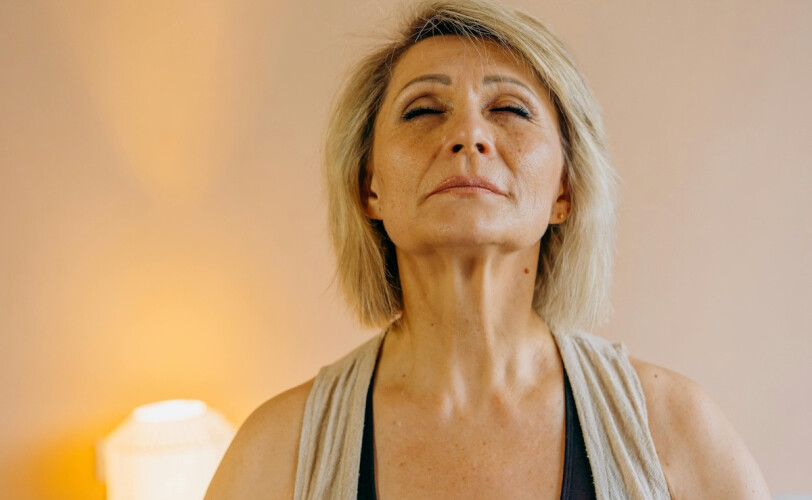
You tell yourself you're fine. You try to carry on. Sometimes you might even become frustrated with yourself. But have you ever considered that your body may be responding to something before you've consciously recognised what's happening?
When fear doesn't look like fear
We often associate fear with feeling frightened or scared, but it doesn't always show up in ways we recognise.
Sometimes it appears as anger, frustration, tension, withdrawing from others or feeling constantly on edge. You might find yourself questioning someone's intentions, expecting rejection, struggling to trust or feeling uncomfortable in situations where there doesn't appear to be an obvious threat.
Our experiences throughout life can influence how we respond to the world around us. Stress, criticism, rejection, difficult relationships, uncertainty and experiences that have left us feeling unsafe can sometimes contribute to patterns of anxiety and heightened alertness.
Our bodies have a natural protective response, often described as fight, flight or freeze. When we perceive a threat, our stress response can activate before we've had time to fully understand what's happening. And sometimes those responses become so familiar that we don't even recognise them anymore.
Are we carrying fears within us?
Think about how much we can carry throughout our lives. Responsibilities, expectations, relationships, disappointments and experiences we may never have fully explored. Perhaps you've spent years being the strong one, putting others first, holding your emotions together, or simply getting through each day.
But what happens to those feelings when we continually push them aside?
Sometimes we begin to recognise them through our physical and emotional responses. Tight shoulders, a clenched jaw, shallow breathing, difficulty relaxing, disturbed sleep or that uncomfortable feeling that something isn't quite right.
It can almost feel as though our fears have become trapped within us. Not literally trapped in the body, but reflected in the tension, habits and protective responses we've developed along the way. And when these feelings become familiar, we may stop questioning why we're experiencing them. Sometimes we've become so used to surviving that we've forgotten what it feels like to truly relax.
When emotions become overwhelming
Sometimes tension builds without us even realising. We carry on working, supporting others, managing our responsibilities and trying to hold everything together. Then something happens.
It might be a comment, a misunderstanding, an expectation, or simply feeling unheard. Suddenly, everything feels too much. An emotional outburst, anger, frustration or words spoken in the heat of the moment. And afterwards? The guilt. The embarrassment. The shame. The regret. Why did I react like that? Why couldn't I just stay calm? Why do I keep doing this?
We may begin questioning ourselves, feeling disappointed in our behaviour and worrying about how others see us. Those feelings can create even more anxiety, tension and self-doubt. And before we know it, the cycle begins again.
Of course, not all anger comes from fear, and difficult experiences don't excuse behaviour that hurts others. Understanding our emotional responses also involves taking responsibility for our actions.
But what if, instead of only judging ourselves for a reaction, we became curious about what was happening before it? What were we feeling? What did we need? What might have triggered such a strong response?
Sometimes recognising a pattern is the first step towards changing it.
How can hypnotherapy help?
Hypnotherapy offers an opportunity to slow down and experience focused attention and deep relaxation. Through guided relaxation, calming imagery and therapeutic suggestions tailored to the individual, hypnotherapy may help relieve feelings of anxiety and physical tension.
It can provide time away from everyday demands, allowing someone to focus on developing a greater sense of calm. For someone who has become accustomed to feeling constantly alert or overwhelmed, learning to recognise and practise relaxation can be particularly valuable. Hypnotherapy may also support confidence, positive thinking and the development of different responses to situations that have previously caused distress.
It isn't about erasing the past, removing emotions or pretending that difficult experiences haven't happened. And it certainly isn't about suggesting that we should never experience anger, fear or sadness again. These are natural human emotions. It's about learning to recognise our responses, develop healthier ways to manage them, and find opportunities to respond rather than automatically react.
Hypnotherapy is not a guaranteed solution or a replacement for medical or psychological treatment when this is needed, but it may offer a supportive approach to managing stress and anxiety.
Learning that you can feel differently
Perhaps you've spent much of your life believing you're simply an anxious person. Maybe you've been told you're too sensitive, you overthink, you're too emotional, or you need to stop worrying. But we are all different.
Our experiences are different, our personalities are different, and the ways we learn to cope are different. What feels manageable to one person may feel overwhelming to another. And that doesn't make either person's experience less important.
I believe there is real value in becoming curious about ourselves rather than constantly criticising the way we feel. Understanding our responses can help us recognise that change is possible.
We may not be able to change everything we've experienced, but we can begin developing new ways of responding to how we feel today. You don't always have to understand where a feeling began to start learning how to respond to it differently.
Sometimes change isn't about becoming somebody different. It's about allowing yourself to experience more calm, confidence and freedom from the patterns that may have been holding you back. Because you deserve the opportunity not just to get through each day, but to feel more comfortable within yourself.
Find the right hypnotherapist for you
All therapists are verified professionals