

Kinesiophobia: Understanding the fear of movement

Kinesiophobia is the persistent fear of physical movement, driven by the belief that activity will cause pain, injury, or re-injury. It commonly develops following trauma, surgery, or prolonged episodes of pain, and is frequently seen in clients presenting with chronic musculoskeletal conditions, post-injury anxiety, and functional movement limitations.
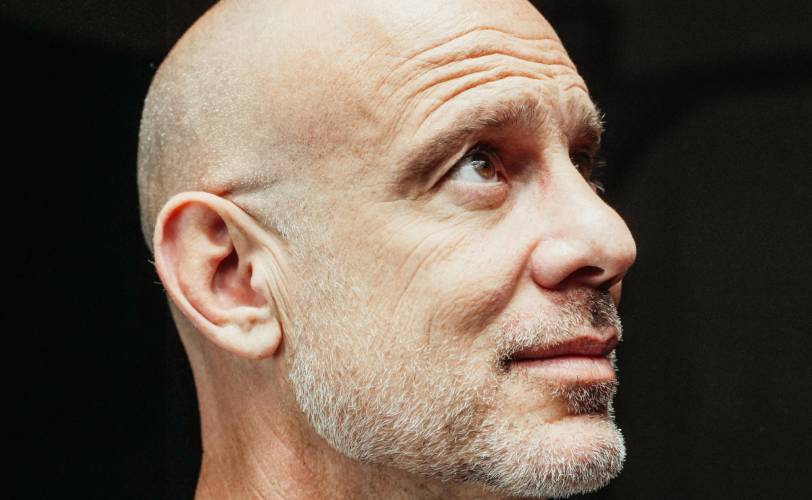
Although the original tissue damage may have resolved, the nervous system often remains in a heightened state of threat. Movement becomes associated with danger rather than safety, leading to avoidance, muscular guarding, and reduced activity. Over time, this avoidance contributes to deconditioning, increased pain sensitivity, and loss of confidence – reinforcing a self-perpetuating fear–pain cycle.
Kinesiophobia is not simply a psychological issue, nor is it purely physical. It represents a conditioned protective response involving cognition, emotion, and the autonomic nervous system. Effective intervention, therefore, can benefit from an integrated mind–body approach.
The role of the nervous system in the fear of movement
Clients experiencing kinesiophobia typically present with signs of nervous system dysregulation. Anticipation of movement alone may trigger sympathetic arousal: increased muscle tension, altered breathing patterns, and hypervigilance to bodily sensations.
This response is adaptive in acute injury but maladaptive when it persists beyond healing. The brain continues to interpret movement as a threat, even in the absence of tissue damage. In this context, reassurance alone is rarely sufficient. The nervous system must be given experiential evidence of safety.
This is where therapeutic approaches that combine cognitive, somatic, and attentional elements are particularly effective.
Supportive approaches for fear of movement
Below, we explore supportive approaches that can aid in rebuilding confidence around movement.
Tai Chi as a therapeutic movement practice
Tai Chi is a slow, structured movement practice characterised by continuous, controlled transitions, postural awareness, and coordinated breathing. From a therapeutic perspective, it offers several benefits relevant to clients with kinesiophobia:
- graded exposure to movement without force or impact
- improved proprioception and balance, reducing fear of instability or falling
- regulation of autonomic arousal through rhythmical movement and breath
- restoration of self-efficacy, as clients experience successful movement without harm
Because Tai Chi emphasises internal awareness rather than external performance, it allows individuals to re-engage with movement in a non-threatening way. This makes it particularly suitable for those who have become fearful of conventional exercise or rehabilitation settings.
Mindfulness and the reappraisal of sensation
Mindfulness-based approaches play a complementary role in the treatment of kinesiophobia. Rather than attempting to eliminate pain or fear, mindfulness encourages clients to observe sensations, thoughts, and emotional responses without automatic judgment or catastrophic interpretation.
In clinical terms, mindfulness helps clients to:
- differentiate sensation from threat
- recognise fear-based predictions as mental events rather than facts
- reduce reactivity to discomfort
- develop a more regulated, curious relationship with bodily experience
When applied alongside movement, mindfulness facilitates the reprocessing of conditioned fear responses. Movement is no longer automatically paired with danger but becomes associated with presence, choice, and control.
Integrating hypnotherapy with mindful movement
Hypnotherapy provides an additional therapeutic layer by working directly with subconscious patterns that maintain fear, avoidance, and protective tension. Through hypnosis, clients can:
- reframe previous injury-related experiences
- reduce anticipatory anxiety around movement
- strengthen internal resources such as confidence and trust in the body
- support nervous system regulation and recovery responses
When hypnotherapy is combined with mindful movement practices such as Tai Chi, clients can, in some cases, experience a more rapid shift from fear-based avoidance to confident engagement. The mind is reassured cognitively and emotionally, while the body receives direct experiential confirmation that movement can be safe.
A compassionate pathway to recovery
Recovery from kinesiophobia is not about pushing through pain or overriding fear. It is about restoring a sense of safety, agency, and trust within the body. Approaches that respect the nervous system’s protective role – while gently retraining it – offer the most sustainable outcomes.
For clients struggling with fear of movement, integrating hypnotherapy, mindfulness, and gentle therapeutic movement can provide a structured and compassionate pathway back to confidence, function, and quality of life.

Find the right hypnotherapist for you
All therapists are verified professionals


