

How to overcome a phobia

A phobia is your nervous system doing its job a little too well. The body senses danger and prepares to protect you, even when there’s no real threat. That’s because your brain evolved for a world of predators and physical peril, not aeroplanes, needles, or public speaking.
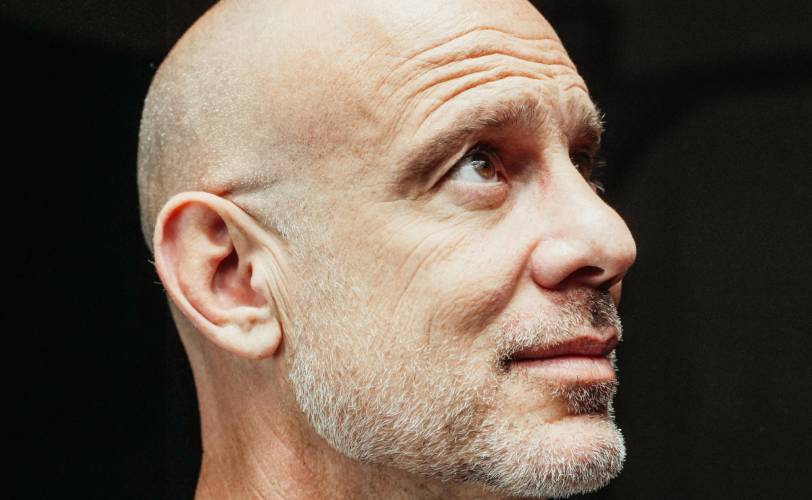
When the amygdala fires, your body floods with adrenaline and cortisol, preparing you to fight or flee. You can’t think your way out of it, because by the time your conscious mind catches up, your body has already reacted.
The role of hypnotherapy in helping with phobias
Hypnotherapy works by calming that automatic system, updating the brain’s safety map, and helping you feel in control again.
A phobia feels exhausting, you spend your life constantly avoiding that thing, crafting your life around the one thing you absolutely cannot tolerate. You know it’s not logical, but your body doesn’t care about logic. You rationalise it out loud then you remember the ‘but’. The extreme fear you feel comes about because your brain perceives that thing as a threat to your life.
A phobia lives in the body and the mind. The amygdala, your brain’s threat detector, imagines something harmless as life-threatening and keeps sounding the alarm, even when you’re safe. Your nervous system floods your body with adrenaline, your heart races, your muscles tighten, and your breath shortens, all in preparation to run or fight. This reaction made perfect sense when threats were physical, but modern life rarely requires us to flee for survival.
Many things in life contain a small risk of death – heck, life has only one certain outcome, so to some extent living at all is a threat. However, most of the time the threat to life is so minimal we negate it. A phobia occurs when your conscious or unconscious mind cannot negate the threat.
Hypnotherapy can help by calming this ancient alarm system and teaching the brain that its safe. In hypnosis, the nervous system shifts out of fight or flight into rest and repair. Over time, the amygdala learns to update its map of what is safe, and the body begins to respond in alignment with the present moment, not the past.
How to overcome fear with hypnotherapy
A fear is slightly less intense than a phobia. When you feel frightened of something but can tolerate it, you have a fear. You’ll keep your eyes open for spiders and might build the courage to stamp on one as it scuttles across your living room floor. But you cannot pick it up, glass or no glass, and put it outside.
Many people turn to hypnotherapy not to enjoy what they fear, but to stop the fear from controlling them so they can manage the feeling, or better yet, stop thinking about it altogether. Let’s take needles as an example. I do not have a fear of needles. I can give blood easily, but I would not say I enjoy it. I just don’t think about it, it is something I do when I can because I believe it is a beneficial thing to do. Unlike an exciting day out, which is something I look forward to. When you use hypnosis to overcome a fear you might not look forward to or enjoy the experience, but you will do it with little thought.
Hypnosis is a particular state of mind in which you focus and heighten your senses. Many people feel a greater ability to visualise, remember and create. When you use hypnosis, you bring your mind and body out of the fight or flight response into an optimal daily state. Hypnosis with or without a therapist is a brilliant way to overcome fear. When you experience fear your brain moves into the fight or flight response. It primes your body to fight or flee.
Overcome fear with hypnosis
Anybody can use the hypnotic state of mind, the more you practise the easier and more natural it feels. Follow these steps to bring self-hypnosis into your life.
1. Make yourself comfortable
There is no specification for where you sit/stand/lay but everything is easier when you can rest easily. Switch off anything that could disturb you – including other people!
2. Close your eyes and focus internally
Sometimes this is not so easy, especially if there is a lot going on for you right now. Some people find that they can maintain concentration by focusing on their breathing. Others like to repeat a rhythmic phrase or sound. Sometimes I like to imagine myself walking down a staircase.
I count down in my head and whenever I notice my thoughts have drifted away from the staircase, I bring myself back to the top and start again. If you feel particularly imaginative you can create a wonderful inner world for yourself to reach at the bottom of the staircase.
3. Remember to use your senses
Notice what you can hear, smell and taste, real or imaginary. Try to see in your mind and feel the surface beneath your body. Stay here for as long feels right for you. Some people like to set a gentle alarm if they have a time limit. Otherwise, when the time is right for you, slowly begin to move your body, roll your shoulders, wriggle your fingers and toes, take some deep breaths, and open your eyes. Always give yourself a moment to reorient yourself before getting up.
If you wish, whilst you rest in this hypnotic state, you can repeat some positive affirmations to yourself that relate to your fear. As you become more accustomed to self-hypnosis you will find that you can enter the same state of mind easily. Whenever you need to face your fear, you can use it to remain calm and in control. The more you do this the more your brain will recognise the thing you fear as safe.
When to seek professional support
When a fear morphs into a phobia, your life revolves around avoiding that thing. There is no “feel the fear and do it anyway”. So, whilst the above self-hypnosis tools will help you when you fear your phobia, you will benefit from some sessions with a qualified hypnotherapist to truly overcome a phobia.
Your hypnotherapist will discuss your phobia with you and explore the origination of the problem. Sometimes when discussing how to overcome phobia with you the hypnotherapist will give you tools to manage the phobic feelings. With practise these will become techniques that you use without thinking, they will help you throughout life and as you conquer your phobia.
In therapy, we work together to teach the body safety again. Hypnosis isn’t about someone else taking control; it’s about you learning how to guide your own nervous system back to calm. Sometimes this involves adapting the brain's perception of the phobia through visualisations and suggestions. Other times the hypnotherapist will use psychotherapeutic tools, exploring previous experiences so you can reframe them in your mind.
A hypnotherapist can support you with tailored approaches specific to your goals. To learn more, explore the Hypnotherapy Directory.

Find the right hypnotherapist for you
All therapists are verified professionals


