
How CBH can help overcome a fear of flying

Imagine being able to walk through the airport feeling calm. You check in, browse the shops, grab a bite to eat. You board the plane with steady hands, take a deep breath as the aircraft takes off, maybe even enjoy a drink, a book, or a film mid-air.
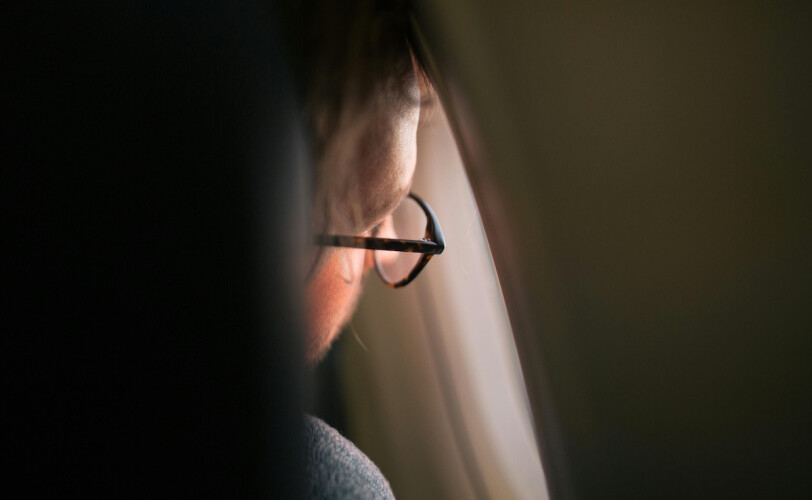
If you’re reading this, that might not be your current experience. Flying may leave you feeling anxious, panicky, or physically sick. Perhaps you endure flights with dread, or maybe you avoid them altogether – choosing trains or UK holidays while others take to the skies.
Fear of flying is incredibly common, and for many, it’s not just about the plane itself. It can be connected to other fears – like claustrophobia, fear of heights or deep water, or not being in control. But whatever the root cause, you can learn tools to help change how you respond, both physically and mentally.
Cognitive behavioural hypnotherapy – A step-by-step therapeutic approach
Cognitive behavioural hypnotherapy combines calming strategies, practical experiments, and guided imagery to help you feel more at ease with flying.
Here’s how the process usually unfolds:
1. First, calm your nervous system
When anxiety takes over, your body reacts before your mind can reason with it. That’s why the first step is learning to soothe your system. You might practise:
- Simple breathing exercises (like 4-7-8 breathing)
- Grounding techniques using your senses
- Self-soothing phrases, such as “I am safe. I can let go now.”
These skills help train your body to respond differently in moments of stress.
2. Facing your fear in manageable steps
Instead of forcing yourself onto a plane, you work through it gradually – starting where things feel more manageable. For example:
- Watching videos of flights or airports.
- Visiting an airport to get used to the environment.
- Sitting on a stationary plane.
- Eventually preparing for a short flight.
This is called a behavioural experiment. You take small steps, building trust in yourself as you go at your own pace.
3. Shift the way you think about flying
Anxious thoughts might sound like:
- “What if the plane crashes?”
- “I’ll panic and won’t be able to calm down.”
- “I’m not in control – anything could happen.”
In therapy, you’ll learn how to gently challenge and reframe these beliefs.
Instead of fearing the worst, you practise thinking:
- “Turbulence is normal, not dangerous.”
- “Pilots are trained to handle everything.”
- “I’ve prepared. I know what to do.”
Over time, these thoughts can feel more natural and believable – especially once you’ve paired them with calming strategies.
4. Use hypnosis to rehearse success
Hypnosis is focusing your attention on one idea, perfect for planting some positive imagery. During hypnosis, you can be guided through a calm flight using your imagination – from arriving at the airport to enjoying the journey. When your brain experiences this calm “rehearsal,” it starts building a new association with flying. It becomes familiar and less threatening when you actually come to take a flight.
All of these tools work together to help you build confidence and ease around flying. They empower you to take control of your experience, so anxiety no longer dictates your journey. With consistent practice and support, you can transform how you feel about flying, making each trip smoother and more comfortable than the last.
Flying may always bring a few nerves – but with the right support, it can become something you feel more prepared for, and even start to enjoy.
If you’ve avoided flying or felt trapped by anxiety in the air, you’re not alone – and with cognitive behavioural hypnotherapy, you can find support to feel calmer and more in control on your next flight.

Find the right hypnotherapist for you
All therapists are verified professionals