

Anxiety and sleepless nights: How hypnotherapy can help

There’s a particular kind of frustration that comes from lying awake at night, staring at the ceiling, wishing desperately that sleep would come. You might try to close your eyes and tell yourself, “Just five more minutes, and I’ll drift off,” but your mind refuses to listen. Thoughts jump from one worry to the next: unfinished work, family responsibilities, financial concerns, health anxieties, or even small things that seem trivial in daylight.
Hours pass, the clock ticks ever louder, and exhaustion seeps in, leaving you tense, restless, and sometimes completely overwhelmed. For many people, this becomes a nightly experience, one that feels inescapable and unfair. You might wonder why you can’t just switch off like everyone else seems to, and yet, night after night, your body and mind remain on high alert.
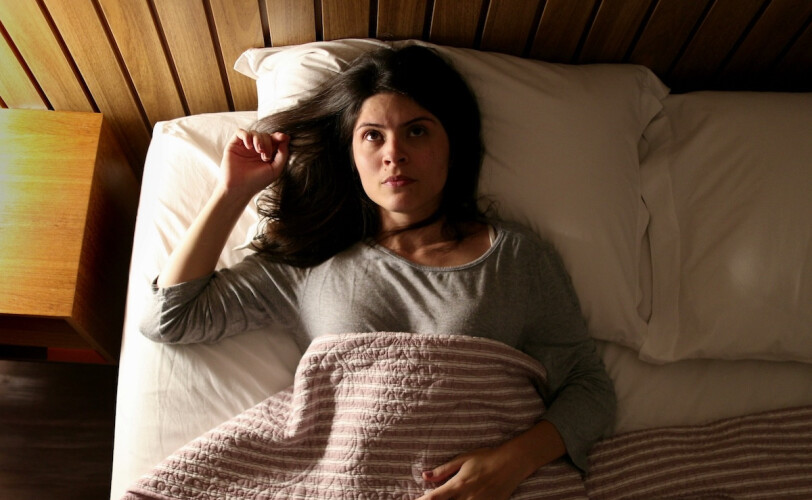
Anxiety-driven sleeplessness is far more common than people realise. It is not about laziness, weakness, or a lack of discipline. It is a deeply ingrained response, a learned pattern of your nervous system reacting to stress, even when there is no immediate danger.
Anxiety and insomnia feed each other: the more your mind races at night, the more tired and stressed you feel the next day, which only makes falling asleep the following night harder. Over time, this pattern can become chronic, affecting mood, relationships, work performance, and overall well-being.
The good news is that sleepless nights caused by anxiety are not permanent. With the right support, the cycle can be broken, and restful nights can be reclaimed.
Why anxiety can make sleep feel impossible
Anxiety isn’t just a mental experience; it’s a full-body response. When you feel anxious, your body releases hormones such as cortisol and adrenaline. These chemicals are designed to prepare you for danger, increasing alertness, heart rate, and muscle tension. While this response is useful during the day when action is required, at night it can be counterproductive. Your body wants to stay alert when it should be resting, and your mind becomes hyperactive, magnifying even small worries into seemingly monumental problems.
A casual thought about a minor work issue can spiral into hours of “what if” scenarios, with your imagination jumping from one worst-case outcome to another. Some people find that racing thoughts start the moment their head hits the pillow, while others wake multiple times during the night, heart racing, replaying conversations or obsessing over decisions.
This physiological response explains why simply “trying harder” to sleep rarely works. It isn’t a question of willpower; it’s your nervous system signalling that something is wrong, even when there is no immediate threat. Over time, chronic sleeplessness and anxiety form a self-perpetuating loop. One night of poor sleep leads to heightened stress, reduced patience, and a lowered ability to cope the next day. That increased stress then feeds into the following night, making sleep feel even more unattainable. What begins as occasional insomnia can turn into a long-term struggle that touches every area of life, from work to relationships, emotional stability, and even physical health.
Clients often describe the feeling as being trapped in a loop. Emma, a client who worked in a high-pressure corporate role, would lie awake imagining everything that could go wrong at work, from missed deadlines to conversations that didn’t go as planned. By morning, she was exhausted and irritable, making even small problems feel insurmountable. Her nights of anxiety reinforced her daytime stress, which made the following night even harder. She felt trapped, exhausted, and unsure how to regain control. Another client, Tom, experienced a similar pattern with career-related fears. He would rehearse every possible meeting scenario in his head, imagining mistakes, criticism, and worst-case outcomes. This mental rehearsal left him wired, and even weekends offered little respite.
The vicious cycle of sleeplessness
What makes anxiety-driven insomnia so debilitating is the feedback loop it creates. One sleepless night increases anxiety, irritability, and sensitivity the next day. That heightened stress then reinforces nighttime wakefulness. Over time, these nights blend together into a seemingly unbreakable cycle. Many people attempt to compensate by taking daytime naps or relying on caffeine, which often worsens the problem, creating a pattern that seems impossible to escape.
Chronic sleep deprivation does more than make you tired; it affects mood, memory, and physical health. Fatigue can magnify minor worries, impair decision-making, and reduce patience. Emotional resilience erodes, and even tasks that once felt manageable can seem overwhelming. Sleepless nights can make work stressful, household responsibilities heavier, and social interaction feel exhausting. Without intervention, anxiety and sleeplessness become a self-reinforcing system, where each night sets the stage for the next. Some clients even describe a growing fear of bedtime itself, dreading the hours ahead and feeling powerless to stop the racing thoughts. This anticipatory anxiety only tightens the loop further.
Understanding different triggers
Not all sleeplessness is caused by the same triggers. For some, work stress dominates: looming deadlines, presentations, or returning to the office after a break can lead to worry-filled nights. For others, financial concerns play a significant role: bills, unexpected expenses, or budgeting can dominate thoughts, preventing relaxation. Relationship challenges, including conflict, family responsibilities, or feelings of loneliness, can keep the mind racing.
Overthinking and perfectionism also contribute, with the mind obsessing over decisions, mistakes, or hypothetical worst-case scenarios. By understanding these triggers, hypnotherapy can tailor strategies to address each client’s unique stressors, gently retraining the mind and nervous system to respond differently.
Some people experience multiple triggers simultaneously, which compounds the difficulty of falling asleep. A parent returning to work after a period of remote work, for example, may feel anxious about meeting deadlines, keeping up with household responsibilities, and managing family life. Each of these stressors sends signals to the nervous system that bedtime is unsafe or precarious, even though logically there is no immediate danger.
Real-life examples
Tom, one of my clients, would rehearse work meetings in his head for hours before sleep, imagining mistakes and criticism. Through hypnotherapy, he learned to visualise meetings calmly, rehearsing responses in a relaxed state rather than obsessively worrying. Within weeks, he slept more easily, and his daytime confidence increased.
Emma, struggling with health anxiety, would wake multiple times at night, convinced something was wrong. Hypnotherapy helped her calm her nervous system and detach from intrusive thoughts. She began sleeping through the night and waking refreshed, noticing a profound improvement in mood and energy.
Laura, anxious about finances, lay awake imagining worst-case scenarios. Guided visualisations and reframing exercises helped her replace looping worries with calming mental scripts, restoring both sleep and peace of mind.
Other clients have described long-standing cycles of sleeplessness where even a weekend felt impossible. Sophie, a new mother, found that despite exhaustion, she would lie awake worrying about her baby’s health, upcoming work projects, and finances. Through a combination of hypnotherapy sessions and bedtime routines, she gradually trained her nervous system to recognise the cues for rest and safety. Over a few months, she began to sleep for longer stretches, feel more present during the day, and reclaim her evenings without fear or anxiety.
The emotional, physical, and sexual consequences of chronic sleeplessness
Sleepless nights affect far more than just energy levels. Emotionally, chronic insomnia heightens irritability, amplifies anxiety, and creates a sense of hopelessness. You might find yourself snapping at loved ones over small things, losing patience at work, or feeling isolated because you can’t manage social interactions with the same energy you once had. Fatigue also reduces motivation, making even small tasks feel insurmountable and reinforcing feelings of guilt or self-criticism. Over time, these emotional effects can compound, leading to low mood, persistent worry, and a sense of being stuck in a cycle you cannot escape.
Physically, the consequences are just as serious. Sleep deprivation affects metabolism, immune function, and cardiovascular health. You may notice tension headaches, muscle stiffness, digestive issues, or simply feeling heavy and lethargic throughout the day. Your body relies on sleep for repair and restoration, and without it, even minor illnesses take longer to heal. Chronic insomnia can exacerbate existing health issues and create new vulnerabilities, making the need for restorative sleep not just a luxury but a fundamental aspect of well-being.
Cognitive function is also impaired. Memory becomes unreliable, focus is compromised, and decision-making feels laboured. Everyday challenges that once seemed simple now require immense mental effort. This, in turn, increases stress levels and anxiety, reinforcing the sleep disruption cycle. Many clients report feeling mentally “foggy” during the day, which contributes to further anxiety about their ability to manage tasks and responsibilities.
One area that is often overlooked is sexual well-being. Persistent insomnia affects hormones such as testosterone and oestrogen, which play a key role in sexual desire and arousal. Fatigue, irritability, and physical tension reduce libido, leaving little space for intimacy. Anxiety intensifies this effect, meaning that sleepless nights can contribute to a cycle where reduced sexual desire creates additional stress, which in turn disrupts sleep further. For many clients, addressing sleep issues through hypnotherapy not only restores energy and mood but also has a noticeable positive effect on sexual confidence and emotional connection in relationships. Reclaiming restful nights often means reclaiming intimacy and closeness that had been gradually eroded by fatigue and stress.
How hypnotherapy can help
Hypnotherapy is often misunderstood. It is not about losing control or being “put under.” Instead, it is a guided process that helps the mind and body enter a deeply relaxed state, allowing automatic anxiety responses to calm and reset. In this state, racing thoughts lose their intensity, and the nervous system downshifts from fight-or-flight mode into rest-and-recovery mode. This creates ideal conditions for restorative sleep.
Hypnotherapy works at a subconscious level, where much of our anxious thinking and conditioned responses are stored. When a client is guided into a calm state, the mind becomes more receptive to positive suggestions. Through visualisations, guided imagery, and reframing exercises, the subconscious learns to associate the bedroom and bedtime with safety, calm, and restfulness rather than stress. Over time, this retraining reduces automatic anxious responses, allowing clients to fall asleep more naturally and stay asleep more consistently.
Many clients report that hypnotherapy also helps them notice patterns in their thoughts and behaviours during the day that affect their sleep. For example, checking emails late at night, ruminating on conversations, or replaying stressful moments can trigger evening anxiety. By recognising these triggers and practising mindful awareness, the client gradually reduces the mental “noise” that often floods the mind when trying to rest.
Practical approaches to complement hypnotherapy
Even outside sessions, there are gentle strategies that can support sleep. Slow, steady breathing signals to the body that it is safe to relax. Visualisation of calm places, whether a beach, forest, or quiet room, reduces the intensity of racing thoughts. Simple bedtime rituals, like dimming lights, reading a calming book, or stretching gently, cue the body for rest. A sleep-friendly environment, a cool, dark, quiet bedroom, makes a tangible difference. Mindful observation of thoughts, noticing anxious thoughts without engaging, reduces their power and prevents spiralling at night. These practical strategies, combined with hypnotherapy, reinforce relaxation and restore positive associations with sleep.
It can also be beneficial to take small steps in reorganising daily habits to reduce evening stress. Some clients benefit from a “digital sunset,” turning off screens at least an hour before bed. Others find journaling helpful; writing down worries or tasks for tomorrow can give the mind permission to let go. Gentle exercise earlier in the day, rather than close to bedtime, also supports natural sleep cycles.
Seeing lasting change
Hypnotherapy doesn’t offer an instant fix, but it equips clients with tools for lasting change. Many notice subtle improvements within the first few sessions: falling asleep more easily, staying asleep longer, or waking with a calmer mind. Over time, these small changes compound, producing significant improvements in both sleep quality and overall well-being.
The process involves retraining the subconscious mind to recognise cues for relaxation and rest. Rather than fighting anxiety head-on, hypnotherapy works with the body and mind to reduce the automatic “fight or flight” response that prevents sleep. Guided visualisations, deep relaxation techniques, and carefully framed suggestions help the mind form new associations with bedtime, turning the bedroom into a space of safety and restoration.
Clients often find that once the subconscious begins to respond differently, daytime anxiety and stress levels also reduce. Tom, for example, who had been preoccupied with imagining mistakes in workplace meetings, noticed that his mind no longer spiralled through negative scenarios before bed. Emma, struggling with health anxiety, learned to detach from intrusive thoughts and approach each night with calm expectation rather than dread. Laura, anxious about finances, gradually replaced worst-case scenario thinking with structured problem-solving earlier in the day and relaxing, reassuring imagery at night. For all three, hypnotherapy created lasting patterns of change that extended far beyond the bedroom.
Reclaiming your nights
Sleep is essential for emotional, physical, and cognitive well-being. Without it, anxiety feels heavier, focus is harder to maintain, and even small challenges feel overwhelming. Hypnotherapy offers a pathway to break the cycle of sleeplessness and reclaim control over your nights. It doesn’t promise perfection overnight, but it equips clients with strategies that address both subconscious and conscious patterns contributing to insomnia.
Restoring sleep transforms more than just the night. Energy levels improve, mood stabilises, and resilience to daily stress increases. Confidence in handling everyday challenges grows, relationships benefit from renewed patience and attention, and sexual well-being is often restored as fatigue and stress decrease. The cumulative effect is a life that feels more manageable, full of possibilities, and less dictated by anxiety or exhaustion.
Creating a personalised approach often involves combining hypnotherapy with complementary strategies. Establishing a consistent bedtime routine, practising gentle relaxation exercises, and implementing mindful awareness of thoughts all reinforce the changes initiated in hypnotherapy. These small, consistent steps help the subconscious mind learn that sleep is not only safe but restorative. Over time, nights of anxious wakefulness become rare, and restful sleep can become the new normal.
Moving forward
If sleeplessness has been affecting your life, now is the perfect time to take action. Hypnotherapy provides a safe, practical, and effective way to address the root causes of anxiety-driven insomnia, allowing clients to reclaim their nights and restore balance to their days. By combining professional support with practical strategies, it is possible to create a personalised plan that promotes restful sleep, reduces anxiety, and supports overall well-being, including emotional and sexual health.
The journey may take time, but with each session, patterns of sleeplessness loosen their hold. Small wins, falling asleep earlier, waking less often, or feeling calmer upon waking, serve as markers of progress and reinforce positive change. For many, this approach restores not only sleep but a sense of control and agency over life itself.
It is important to remember that change is gradual, and setbacks are normal. Some nights may still be challenging, but the difference is in how your body and mind respond. Instead of spiralling into anxiety, you begin to notice your thoughts without judgement, apply relaxation techniques, and trust that sleep will come. Over time, nights once dominated by worry become periods of rest and restoration.
Restorative sleep is not just a relief from tiredness; it is a foundation for emotional stability, physical health, mental clarity, and intimate connection. Hypnotherapy provides a gentle, structured, and effective path to achieving this. For anyone struggling with anxiety-driven sleeplessness, taking the first step to seek support can open the door to nights that are calm, days that feel manageable, and a life that feels full of potential.

Find the right hypnotherapist for you
All therapists are verified professionals


