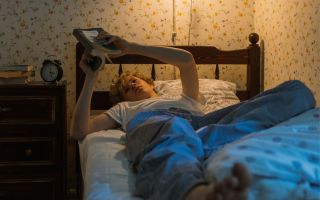
How hypnotherapy can help you manage nightmares

We've all experienced the occasional unsettling dream. But what happens when nightmares become a regular visitor, disturbing your sleep and affecting your daily life? The good news is that nightmares often carry important messages from your subconscious mind, and hypnotherapy offers a powerful way to work with them.

Understanding nightmares and anxiety dreams
Nightmares and anxiety dreams are more than just bad dreams. They're characterised by their terrifying nature, a sense of uncontrollability, and a feeling of overwhelming reality that can last after waking.
Research shows that whilst occasional nightmares are completely normal, recurring nightmares affect a significant portion of the population.
Periods of stress, unresolved issues from the past, anxiety, and trauma can all increase the frequency and intensity of nightmares. For those suffering from chronic anxiety or PTSD, nightmares can become a persistent struggle. Interestingly, sometimes the more we try to push nightmares away, the more persistent they become.
The impact on daily life can be challenging: sleep anxiety, dread at bedtime, exhaustion, and a general sense of unease. But what if nightmares are trying to tell us something?
Dreams: The language of the subconscious
Dreams are information-processing events and messengers from our subconscious mind. Our subconscious communicates with us in various ways: through strong emotions, gut feelings and instincts, repetitive behaviours and habits, and through dreams.
Unlike our conscious mind, which thinks in words and linear logic, the subconscious speaks in metaphor, symbols, and imagery. This is why dreams can feel so strange and illogical when we try to analyse them in the morning.
Through hypnosis, we can access the same language and modus operandi of our subconscious mind to access its messages directly.
What nightmares are really trying to tell us
Rather than seeing nightmares as enemies, it's helpful to view them as messengers. Sometimes they're simply a way to release built-up tension, but more often, they're carrying important information.
Common causes of nightmares can include:
- unresolved emotions or current stress
- suppressed memories or past trauma
- parts of ourselves asking to be acknowledged (shadow work)
- emotional overload that surfaces during sleep, when our defences are down
Recurring nightmares persist because the message hasn't been heard or resolved yet. They're your subconscious mind's way of saying, "Please pay attention to this."
Here's the crucial point: nightmares often use symbolic imagery. The content isn't literal, which is why our conscious mind struggles to interpret it during the day. The monster chasing you might not be about an actual threat, but rather a representation of something else, like a part of yourself you've been avoiding.
How hypnotherapy works with nightmares
The good news is that hypnotherapy can help you work with nightmares, and it puts you back in control. Nightmares are part of your mind, and you have the power to decide how to approach and resolve them. There is a way out.
Hypnotherapy works by accessing the subconscious directly. Hypnosis is a state where we can re-enter the dream world whilst awake, bringing more awareness and control to the experience. This is key: we can communicate directly with the part of the mind that created the nightmare.
When we access the subconscious mind in hypnosis, we're speaking the same language as our dreams: the language of imagery, symbol, and metaphor. Interpretation and communication become much easier and make more sense.
Sometimes nightmares emerge simply because of anxiety, stress, or strong emotional experiences that surface during sleep, looking for a way to be processed and released. Other times, they appear as symbols or recurring messages until the underlying issue is addressed. This is particularly true for traumas that re-emerge in later adult life, triggered by situations the subconscious perceives as similar to past experiences.
For working with nightmares through hypnotherapy, we use the right part of our brain, the part related to our subconscious mind, which thinks in symbols rather than the logical and linear left hemisphere.
In hypnosis, you can re-experience the dream in a safe, controlled way, with the ability to:
- pause, rewind, or change what happens
- face your fears from a place of safety
- work directly with the imagery
- dialogue with dream figures to understand what they represent
For those not ready to re-enter the nightmare, there are softer approaches:
- imagery rescripting
- resource building
- gentle exploration
- witnessing and processing (sometimes nightmares simply need to be acknowledged)
- rewriting the narrative by changing the ending, finding resolution, and integrating the message
A message to those avoiding their dreams
I often hear from people who avoid dream recall altogether because remembering their dreams means facing nightmares. If this resonates with you, I understand. The fear is real and valid. But if your subconscious is shouting this loudly, it may be important to listen.
One simple step you can take is to write your dreams down. In the process of recalling and writing, a part of your mind feels acknowledged and heard. This act alone can begin to reprocess the nightmare, bringing it into consciousness. It's possible that just being open to listening in this way will ease the nightmare, or even stop it altogether.
You don't have to face this alone. Hypnotherapy provides a safe container to work through nightmares, with support and guidance every step of the way.
Through hypnotherapy for nightmares, you may find yourself find insight, better sleep, and a more positive dream life. You can start a deeper and more pleasant communication with your subconscious mind to reclaim your dream life.
Nightmares are doorways into our subconscious, offering opportunities for greater well-being. When we start listening, transformation becomes possible. Working with nightmares through hypnotherapy can open pathways to deeper dream exploration, self-growth, and a more resourceful relationship with your subconscious mind.

Find the right hypnotherapist for you
All therapists are verified professionals