


About me
Child & Young Person Cognitive Behavioural Hypnotherapist
Your child isn't another number on a waiting list. I help them build the confidence to face the things that frighten them, believe in what they're capable of and get back to enjoying their lives.
Anxiety can show up in lots of different ways. Your child might be struggling to get into school, terrified of a medical procedure, unable to be away from you, avoiding particular places or situations, having panic attacks or becoming overwhelmed by emotions that seem to come out of nowhere.
Sometimes it happens gradually. Things they once managed become harder. They start avoiding more, relying on you more, or missing out on things they'd actually like to do. As their world becomes smaller, their confidence in themselves can shrink with it.
One of the most common threads I see in the children and young people I work with is a lack of belief in themselves. “I can't do it.” “It's too scary.” “I'm not good enough.”
Cognitive Behavioural Hypnotherapy gives us a way to start changing that story, not simply by telling your child to believe in themselves, but by helping them discover what they're actually capable of.
I work specifically with children and young people aged 6 to 21, including those experiencing anxiety, separation anxiety, phobias and medical fears, panic attacks, emotionally based school avoidance (EBSA), emotional regulation difficulties, sleep problems, low confidence and exam stress. I also work with neurodivergent children and young people, including those with ADHD and autism, where anxiety, confidence or emotional wellbeing are causing difficulties.
Therapy with a destination
Therapy with me is evidence based and future focused, with a clear idea of what we're working towards.
One of my favourite questions to ask children is: “If I gave you a magic wand and you could change something, what would you change?”
I love this question because I get to hear all the wonderfully creative things children wish they could do, like becoming invisible or being able to fly. But it also gives them the chance to tell me, in their own words, what they really wish could be different.
For one child, that might be getting up for school without feeling horrendous every morning. For another, it might be having a blood test without the knot in their stomach or panic taking over. Or they might simply want to be able to sleep because their brain won't switch off.
Sometimes it's something they really want to do, but fear keeps getting in the way. They know they want to do it. They just don't believe yet that they can.
You may have your own hopes for your child, and we'll talk about those too. But for therapy to work, your child needs something that matters to them. Something they want to feel easier, do differently or feel more confident about.
That's where we start.
We then work together to break that goal down into small, achievable steps. Not one enormous leap, but milestones your child can actually see themselves reaching.
Each step gives them something incredibly valuable: “I did that.”
For a child who has spent a long time thinking “I can't”, those moments can begin to change what they believe about themselves. Their confidence isn't coming from someone telling them to believe in themselves. It's growing as they discover for themselves what they're capable of.
We'll keep looking together at what's changing, what still feels difficult and what they feel ready to try next. There is a destination we're working towards, rather than therapy continuing without a clear sense of where we're going.
And it really is something we work on together. I bring my knowledge and experience as a therapist. You know your child in a way that nobody else does. Your child knows what it actually feels like to be them.
All three perspectives matter, but the goal at the centre of the work belongs to your child.
How I work with your child
Together with your child, we look at what's keeping the problem going. What do they think might happen? What happens when they feel afraid? Are there things they've started avoiding, or things they feel they have to do to make themselves feel better?
From there, we can start finding ways for them to test those fears that they feel are manageable, and discover what actually happens.
That will look different for every child. We might use hypnosis and imagery to rehearse something they're frightened of, learn ways to manage uncomfortable feelings in their body, explore an unhelpful thought or prediction, or create small experiments they can try between sessions.
And those experiments don't need to look like homework.
If your child loves football, we might use football to explain an idea or turn an experiment into something they genuinely want to try. With another child, I might use stories, games or their imagination. I try to bring the therapy into their world, rather than expecting them to step into mine.
Then we look at what happened. Did the thing they were frightened of happen? Was it as difficult as they expected? Did they cope with something they weren't sure they could?
It isn't about getting everything “right”. It's about your child gradually finding out for themselves what they can do.
What happens in sessions?
One of the questions parents often have is whether they'll be expected to stay with their child during therapy.
There's no fixed rule.
Some children are perfectly happy to come into the therapy room on their own. Others feel much more comfortable with a parent beside them, particularly when we first meet. Some might start with a parent in the room and, as they get to know me and feel more confident, decide they're happy for them to step out.
There may be times when working without a parent in the room would be useful, particularly with older children and teenagers, but your child's wellbeing always comes first. I won't ask a child to separate from a parent simply because that's how therapy is “supposed” to work.
For therapy to be useful, your child needs to feel safe, comfortable and that they have some control over what happens. We'll work out together what feels right for them.
Some children enjoy talking, while others communicate much more easily while we're drawing, playing a game or doing something creative. We might use CBT techniques, relaxation, mindfulness or Cognitive Behavioural Hypnotherapy depending on your child's needs and what we're working towards.
There isn't a “right” way for your child to be in therapy. My first priority is creating an environment where they feel safe, comfortable and confident enough for us to work together.
About me
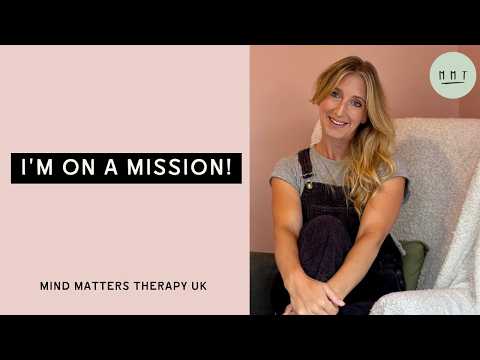
I'm Charlotte Allen, a Cognitive Behavioural Hypnotherapist based in East Devon, specialising in working with children and young people.
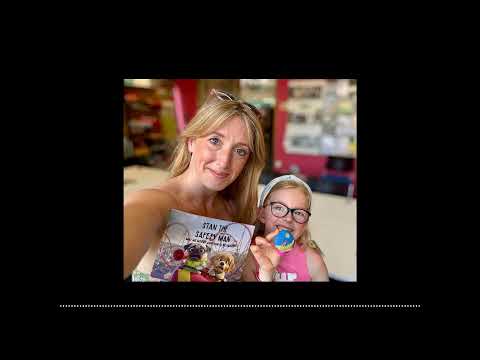
I'm also the author of Stan the Safety Man, a book for children aged 6 to 9 that uses ideas from Acceptance and Commitment Therapy (ACT) to help children understand worry, why it shows up and how they can respond to it when it does.
The book grew from something I feel very strongly about, which I call Tools Before Crisis. I believe children should have access to simple, useful mental wellbeing tools early, rather than having to wait until things have become overwhelming before they're given support.
That belief runs through a lot of the work I do in my local community. I visit primary schools to deliver free workshops to Key Stage 1 children about worry, why it happens and what they can do when it shows up. I also created a free children's worry trail in Sidmouth in East Devon, with children receiving a free Worry Buster activity book at the end so they could continue using the ideas at home. I've also been invited onto local radio to talk about this work and why giving children these tools early matters to me.
Before retraining as a therapist, I spent 16 years working as a police officer, including four years working in serious sexual offences and supporting vulnerable adults and children. That experience gave me a strong understanding of safeguarding and taught me just how important trust, patience and building rapport are when working with young people.
Ultimately, that's what motivates my work: giving children practical tools, confidence and a greater belief in what they're capable of.
Today, I combine that experience with Cognitive Behavioural Hypnotherapy and evidence based psychological approaches to help children face fears, build confidence and develop greater belief in themselves and what they're capable of.
I'm registered with the General Hypnotherapy Register (GHR), fully insured and hold an Enhanced DBS certificate.
Taking the next step
You don't need to know exactly what's wrong or which type of therapy your child needs before getting in touch.
If you're watching your child avoid more, struggle with things they desperately want to be able to do, or lose confidence in themselves and you're not sure what to try next, we can start with a conversation.
You can tell me what's been happening, ask any questions you have and we can talk about whether I might be the right person for your child.
Training, qualifications & experience
I'm a fully qualified Cognitive Behavioural Hypnotherapist (CBH), holding a Level 4 Diploma in Cognitive Behavioural Hypnotherapy and additional specialist training in Cognitive Behavioural Hypnotherapy for Children and Young People.
Before becoming a therapist, I spent 16 years as a police officer, including four years working in serious sexual offences, supporting vulnerable adults and children. That experience gave me a strong understanding of safeguarding and valuable experience in helping vulnerable children feel safe enough to talk about difficult experiences.
Years of working with vulnerable children also taught me that trust can't be rushed. That's one of the reasons I never expect every child to communicate in the same way or open up at the same pace.
For your reassurance, I am:
- Level 4 Diploma in Cognitive Behavioural Hypnotherapy
- Additional specialist training in Children & Young Persons Cognitive Behavioural Hypnotherapy
- Registered with the General Hypnotherapy Register (GHR Reg.)
- Awarded the General Qualification in Hypnotherapy Practice (GQHP)
- Enhanced DBS checked
- Fully insured with FHT
- ICO registered
- Committed to regular Continuing Professional Development (CPD)
- Supported through regular professional supervision
Member organisations

Hypnotherapists may become members of the General Hypnotherapy Register if they satisfy certain criteria with regard to both training and ongoing requirements as determined from time to time by the General Hypnotherapy Standards Council (GHSC). Members are either registered at Practitioner status (which confirms that the GHR acknowledges their qualification to practice), or Affiliate status. Although Affiliate level registrants will have completed a sufficient number of training hours to equip them to commence seeing clients on a limited basis, the GHR does not acknowledge them to have yet been trained to full practitioner level. All GHR Registered Practitioners are required to accept the published Code of Ethics and Complaints & Disciplinary Procedure.

Federation of Holistic Therapists
Areas of hypnotherapy I deal with
info Information about health conditions (*)
Hypnotherapy can enhance the well-being of individuals diagnosed with serious medical conditions, but should not take the place of medical treatment and advice. If you have been diagnosed with - or suspect you may have - any of these conditions, please speak to your doctor before starting hypnotherapy.
Other areas of hypnotherapy I deal with
Other Areas I Work With
- Phobias (e.g., dogs, needles, dentists)
- Habits (nail biting, hair pulling, skin picking)
- Anxiety and worry
- Low confidence or self-esteem
- Emotional dysregulation
- ADHD and RSD (Rejection Sensitive Dysphoria)
- Bullying and friendship issues
- Exam or school-related stress
Therapies offered
Photos & videos



Fees
£75.00 per session
Free initial telephone session
Additional information
Children & Young People (6–17 years) – £75 per 50–60 minute session.
Your child's therapy doesn't stop when they leave the room. Where appropriate, sessions include parent updates and liaison with schools, GPs or other professionals to help ensure everyone is working towards the same goals.
Adults (18+) – £65 per 60-minute session.
Further information
Coming to see me
Sessions are available in person from my home-based therapy practice in East Devon, as well as online where appropriate.
For children who aren't able to come to my therapy practice, I may also be able to offer sessions in your own home if you live locally. Home visits are subject to location and availability, so please get in touch, and we can see what's possible.
I know some children can feel unsure about meeting someone new, so there is no expectation that your child will need to come into the therapy room alone. You're welcome to stay with them if that helps them feel more comfortable, and we can work out together what feels right for your child.
If you're thinking about therapy for your child, please get in touch first. You can tell me a little bit about what's been happening, ask any questions you have, and we can decide together whether I might be the right person for them.